























































Murray State University proposed an increase in student worker wages, cost of living adjustments and housing prices during the budget town hall.
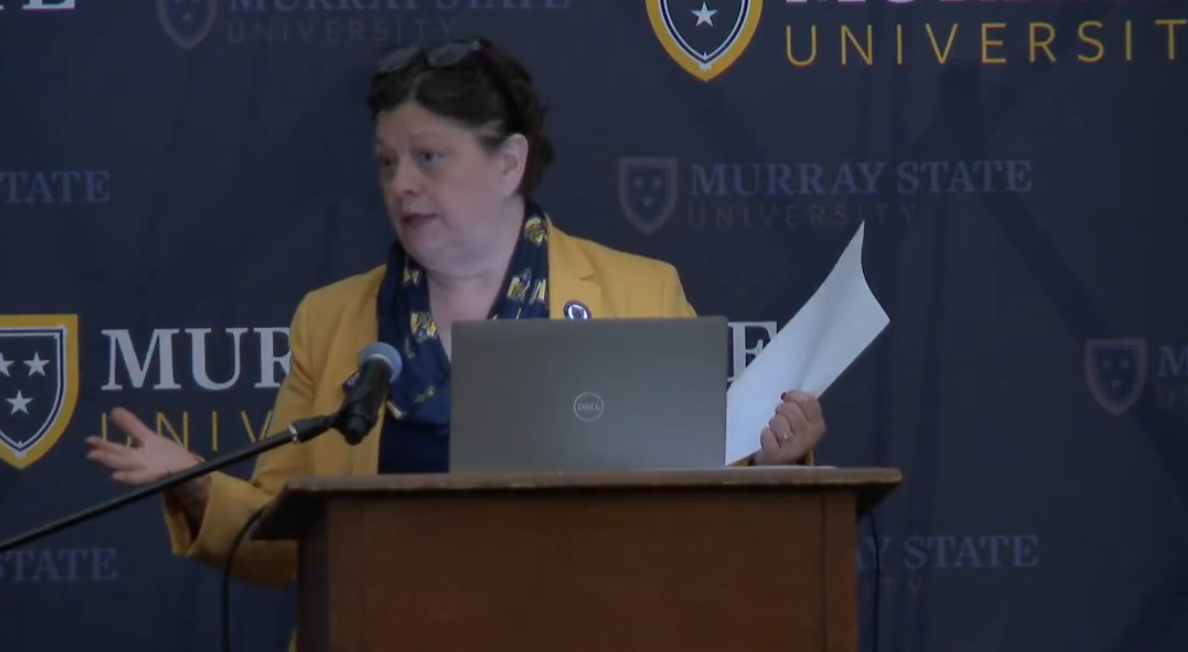
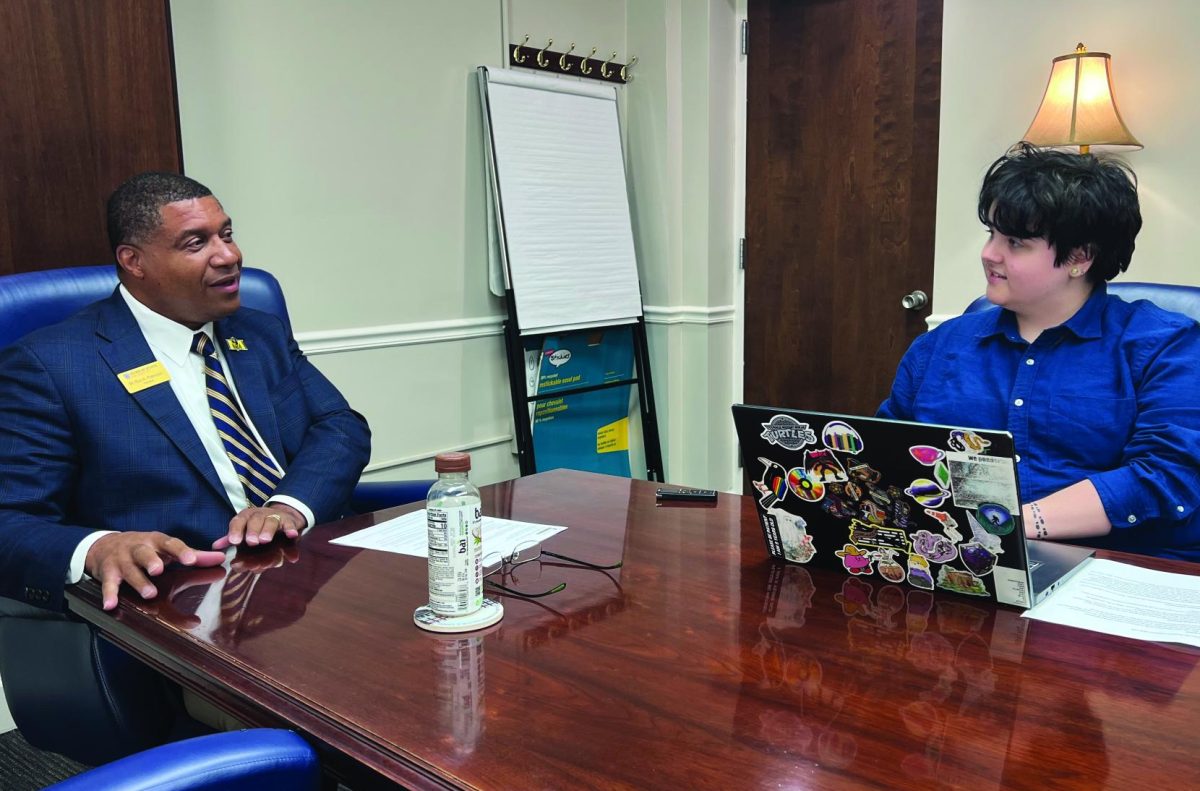
Murray State President Ron Patterson and Laura Foltz, vice president for finance and administrative services, went before University faculty and students Tuesday, April 28, to discuss the 2027 budget. Among the budget changes introduced, Foltz announced an increase in student worker wages to $9 an hour as well as a 2% cost of living adjustment.
“We are very excited to present the FY26 budget to you,” Patterson said. “Again, interim budget, we are still reviewing, still making earnest decisions, dealing with it as it comes to the FY27 budget.”
Along with the COLA increase, Foltz said the University plans to hire a compensation specialist to ensure compensation is a continued focus and to update the University’s data regarding compensation increases. To realize the COLA, Foltz said they plan to fund any healthcare increases. This COLA increase is expected to cost the University $1.5 million.
Foltz said she does not expect any position cuts based on next year’s budget.
Foltz said she was asked by Student Government Association President Ali Khatib to address student wages. She said the 50 cent raise would be funded by departmental organizations.
“We want to help support our students and part of making Murray State affordable is getting that a little bit higher for those students so they can have a stronger starting wage,” Foltz said.
One faculty member expressed concern during the town hall that the University’s practice of requiring departments to fund student workers was unsustainable. The faculty member said it could impact the department’s ability to hire new workers. Foltz asked departments worried about their student worker funding to speak to the provost regarding funding in the event they cannot support the cost.
Students will also see a 2% tuition increase, as well as a 3% increase in housing costs and a 4.1% increase in meal plans. When asked about the affordability of housing on campus, Foltz
said the University was conducting market analysis to see how housing rates compared to campus, but wasn’t aware of any discussions on keeping housing affordable to students. Patterson said the University always wants to remain affordable on housing, but said costs would increase naturally.
During the 2026 legislative session, Murray State received no cuts to general appropriations to the state. Foltz said the University’s performance funding was cut by $260,900, which was a result of how Murray State reports certain metrics compared to its peers. The University also received $100 million from the state for asset preservation to be used to support campus infrastructure.
Regarding infrastructure, Foltz said the University plans to improve its central heating and cooling for building as well as upgrade elevators across campus.
The University is also in conversation with Sodexo to implement a potential meal sharing program. This would allow students to share meal swipes with peers, something which is already present in other universities. Foltz said this could benefit students with food insecurity.
Foltz also said the University was working to put together an advisory committee to investigate various fees on students such as the Racer experience fee to ensure transparency in their cost. The University is also looking into the effectiveness of its Timely Care program, the contract for which is set to expire on June 30, 2027.
Foltz said the University is looking into holding another budget town hall in the fall to discuss the implemented budget.
The full livestream of the budget town hall can be viewed here