





























































Laura Foltz, Murray State’s new vice president for finances and administrative services, has taken a new approach to her position by engaging students directly this budget season.
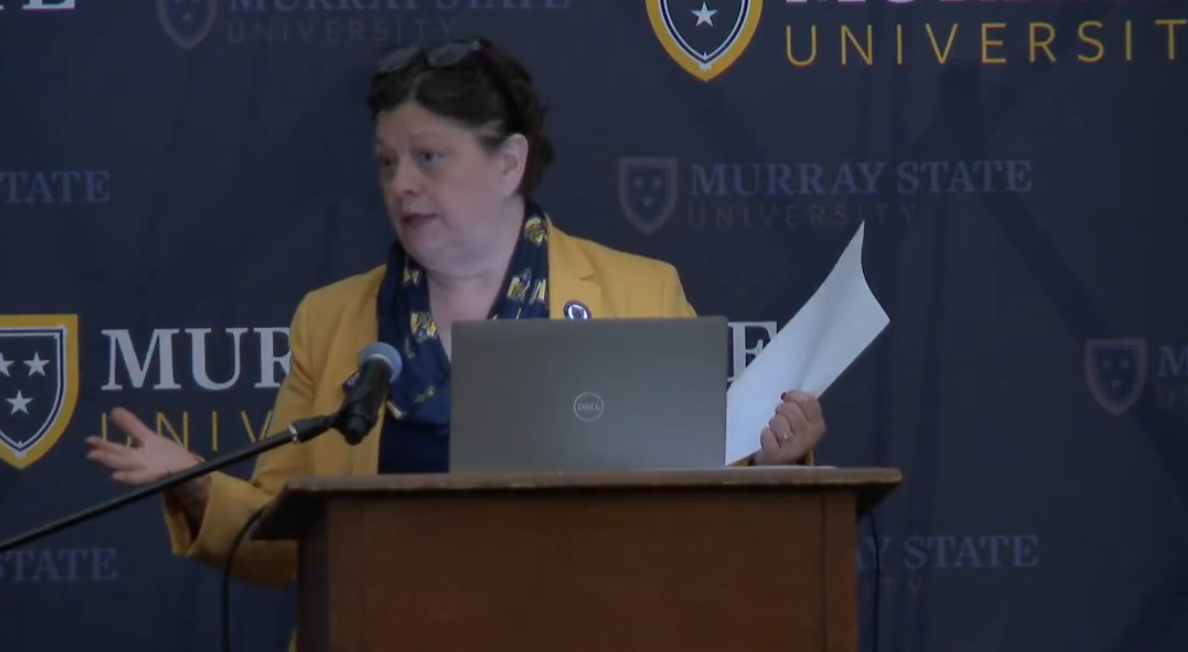
The first of two budget town hall meetings for the upcoming 2026-2027 academic year was held on March 10. Foltz outlined the purpose and fundamental structure of a university budget with examples from the 2025-2026 budget and her intention to streamline financial processes.
Since the meeting, Foltz has collaborated with Don Robertson, vice president of student affairs and enrollment management, to meet with students in the Emerging Scholars Institute, Residential College Association, Student Government Association, The Murray State News and the Oakley Student Lounge. Sharion Meloan, executive coordinator of finances and administrative services, said Foltz also scheduled meetings with the academic college deans collectively and individually.
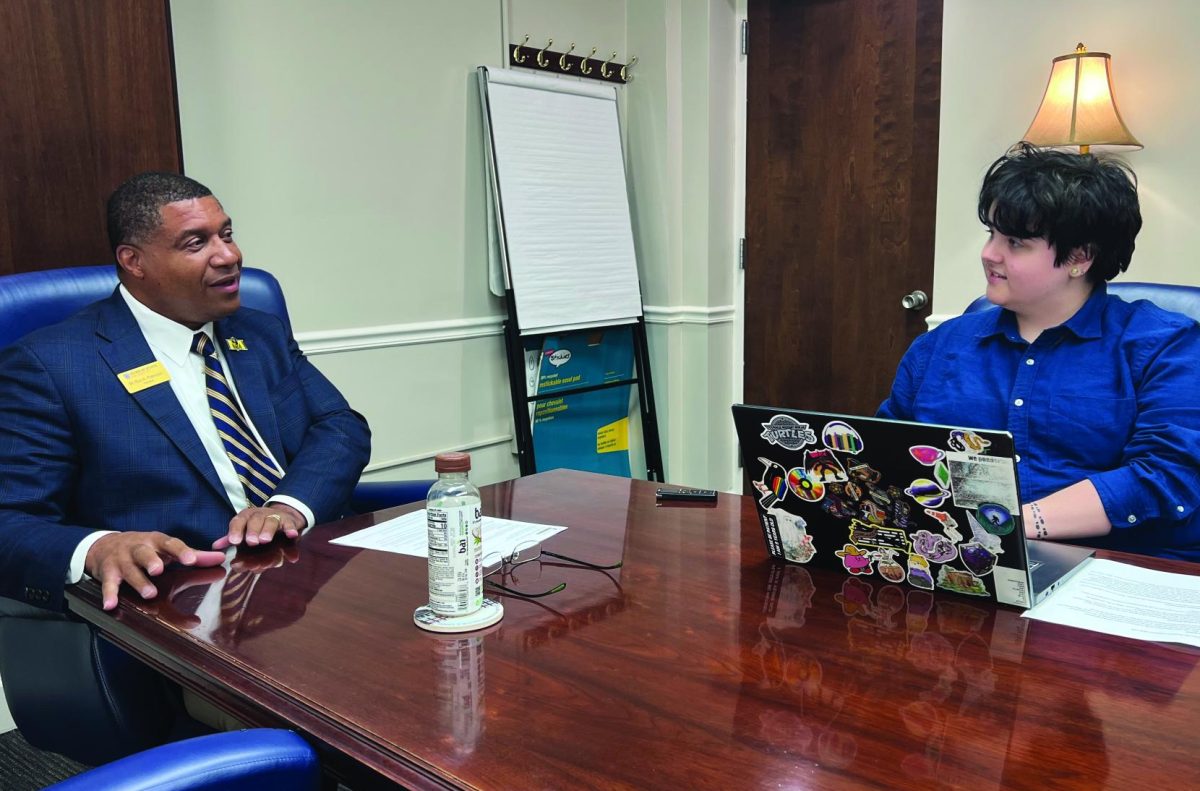
In a meeting with The Murray State News, Foltz began by discussing the notion of higher education’s “iron triangle” of accessibility, quality and cost and how they impact each other.
“I think the hardest thing for management is to get that balance right between access, quality and cost,” Foltz said. “They say you can’t break the iron triangle; I think you can. I think the way you break the iron triangle is by improving your internal efficiencies so you are improving quality without adding cost.”
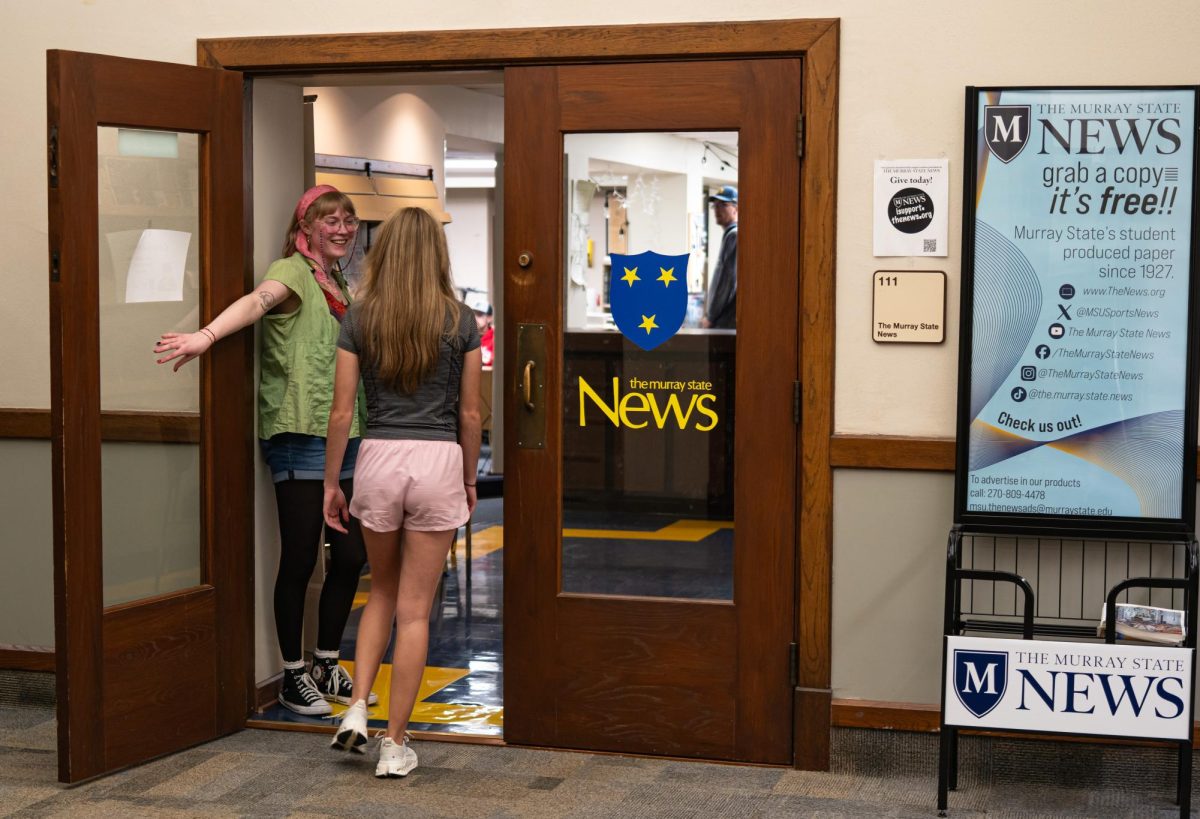
News staffers posed questions to Foltz regarding her meetings with students, impending changes and University financing decisions.
Open communication and student input
Foltz said her discussions with student groups have involved a mix of clarifying questions about how the University’s financial decisions work and suggestions for what students would like to see addressed in future budgetary decisions.
“There’s a strong desire to better understand the why behind those questions,” she said.
“Students have been really thoughtful in sharing feedback … I’ve been encouraged by how engaged the students are and how solutions-oriented they have been and the conversations are shaping how we communicate and prioritize going forward.”
She said she has heard student feedback regarding affordability, specific fees, properly staffing student-facing areas on campus and ensuring resources are impacting the student experience as intended.
Communication and transparency have been in high demand in Murray State’s community, especially in the early stages of Ron Patterson’s presidency and new administrators taking on their roles. Foltz said being open about why and how decisions are made helps build trust in the campus community.
“I think the success of anyone in my position is transparency,” she said. “I would rather answer hard questions than have people make up their own narrative because (administrators) are here to tell them what’s happening.”
During Foltz’s meeting in the Oakley Student Lounge on Friday, April 10, Robertson encouraged students to attend the annual budget town hall meetings when their class schedules allow, as it is the most direct way to stay informed on the University’s budgetary information and to bring the student perspective into the conversation. He said in the 35 years he has been at Murray State, he has never seen someone in Foltz’s position coming to the student body to answer their questions.
Foltz said continued open communication between her and the student body will help the campus community understand the context of the University’s decisions and who they affect.
“What I love about higher (education) is it changes lives, and it’s great to see some of the lives that are here being part of that process,” she said. “So I will continue to accept invitations, and when I need some intentionality, I will ask Dr. Robertson to help me because he knows where students are.”
Internal efficiency
In the first budget town hall meeting, Foltz and Patterson expressed an ongoing intention to reduce physical paperwork as a minor but effective change for internal efficiency that helps reduce wasteful spending and time management issues.
“(Internal efficiency) looks like asking the question, are we adding value to the process (and) how are we adding value to the process?” Foltz said. “During COVID, there was some extra routing added where the vice (presidents) signed all kinds of paperwork that they had not prior to that point. We were asking them to spend many, many hours manually signing all of these papers … so we dialed back some of those added things that were not added value.”
Foltz said a turn toward automation has also helped reduce five hours of an employee’s weekly workload previously spent reviewing office supply contracts that included ineligible purchases.
“We want to be focused on those really important things and not spending our time in busy land,” she said. “We can build on a really solid foundation and make sure that every dollar is used as effectively and visibly as possible.”
University funding and budgetary priorities
At the time of the interview, Murray State was one of three public higher education institutions in Kentucky that did not receive state funding reductions for the upcoming year. Foltz said she thanks the legislators for allowing Murray State to hold harmless with our funding.
According to the Lexington Herald Leader, the state legislature’s finalized budget reduced the proposed funding cuts, restoring most of the funding to the Kentucky public universities affected.
“It provides stability because we will have the same amount that we had, and it also avoids the need for reactive cuts because we received a stable amount,” she said. “It also lets us plan strategically rather than defensively, so we still remain focused on efficiency and outcomes.”
Many of Foltz’s discussions have involved an explanation of Murray State’s financial decisions, which she said are sorted into a hierarchy of priorities submitted by the University’s vice presidents, provosts and deans that senior leadership will then use to navigate how money should be allocated for the upcoming year.
“President Patterson always has student experience at the front of his mind, and so that’s always part of the conversation,” she said. “It’s back to that cost, quality and access. Can we provide a better student experience? Can we provide better access, and how can we do that with the funds we have?”
Foltz has encountered many questions about the possibility of an increased minimum wage for campus employees. She said that while she cannot guarantee students will see a wage increase, it is a topic of discussion on the University’s list of matters to address because student jobs not only help with affordability, but also increase retention and engagement.
Changes to expect
Foltz said the changes students can expect going forward will be incremental and intentional adjustments that will not feel sudden or disruptive to the everyday student experience.
“There’s going to be a review of these (changes) and how they’re structured and communicated, and students will be represented on that,” she said. “President Patterson is putting together a task force, so you will continue to see operational efficiencies behind the scenes that reduce the costs without affecting the student experience.”
The finalized 2026-2027 academic year budget will be presented in a second budget town hall meeting held at 2:30 p.m. on Tuesday, April 28, in the Wrather Museum. Wrather is located at the southern end of the Quad between Wilson Hall and the Bauernfeind Business Building.