
















































In a world as fickle as our own, the smallest change in a suburban Illinois neighborhood could snowball into an avalanche that collapses the biggest company in New York City — no event exists in a vacuum. Staying informed on all kinds of events changes lives. Misinformation runs like water, so it’s vital to have journalists who know how to navigate that sea. Those skills have to start somewhere, and they start with student journalism.
Journalism is an important part of everyone’s daily life, whether you notice it or not. You walk through the kitchen and hear the “Today Show” on in the living room. You sit down with a cup of coffee and catch a glimpse of a headline in the paper someone brought in with the mail. You grab your phone and accidentally swipe over to the news while trying to unlock it. You open Facebook, X or Instagram and get flooded with the events of the day from various accounts. In this mundanity, you’re interacting with journalism.
These brief interactions can do a lot. That headline you quickly read in the paper could be about the rising gas prices that week and help guide your budget. Hearing about a war on the other end of the world, while it brings no joy to anyone’s day, is important to know about in case its consequences get closer to home. Journalism keeps you socially, economically and politically informed. The upsides of learning something new always outweigh the negatives.
Learning this information in such brief interactions isn’t accidental. Journalists are well aware of the fleeting nature of people’s interactions with them and have developed skills to work around this. Headlines, social media captions, introductions — everything is curated to give as much accurate information in as little space as possible. With the rampant spread of misinformation, both online and offline, mastering these skills is important, but it isn’t easy.
There are a lot of things to learn to do journalism properly. News uses an entirely different grammar format called the Associated Press style, with rules wildly different from traditional American English. If you notice the lack of Oxford commas throughout this column, AP style is the reason. Journalism also takes media law deadly seriously. There’s little room for misleading information, copyright infringement or otherwise. These intricacies are important to learn, but the most valuable skills can’t be truly taught in a classroom.
A lot of learning in journalism is trial and error. Being able to create an attention-grabbing headline, being able to filter through the fluff of a story to find the key points while keeping your story accurate and informative are journalistic skills that are learned best through experience. This is why student journalism is vital.
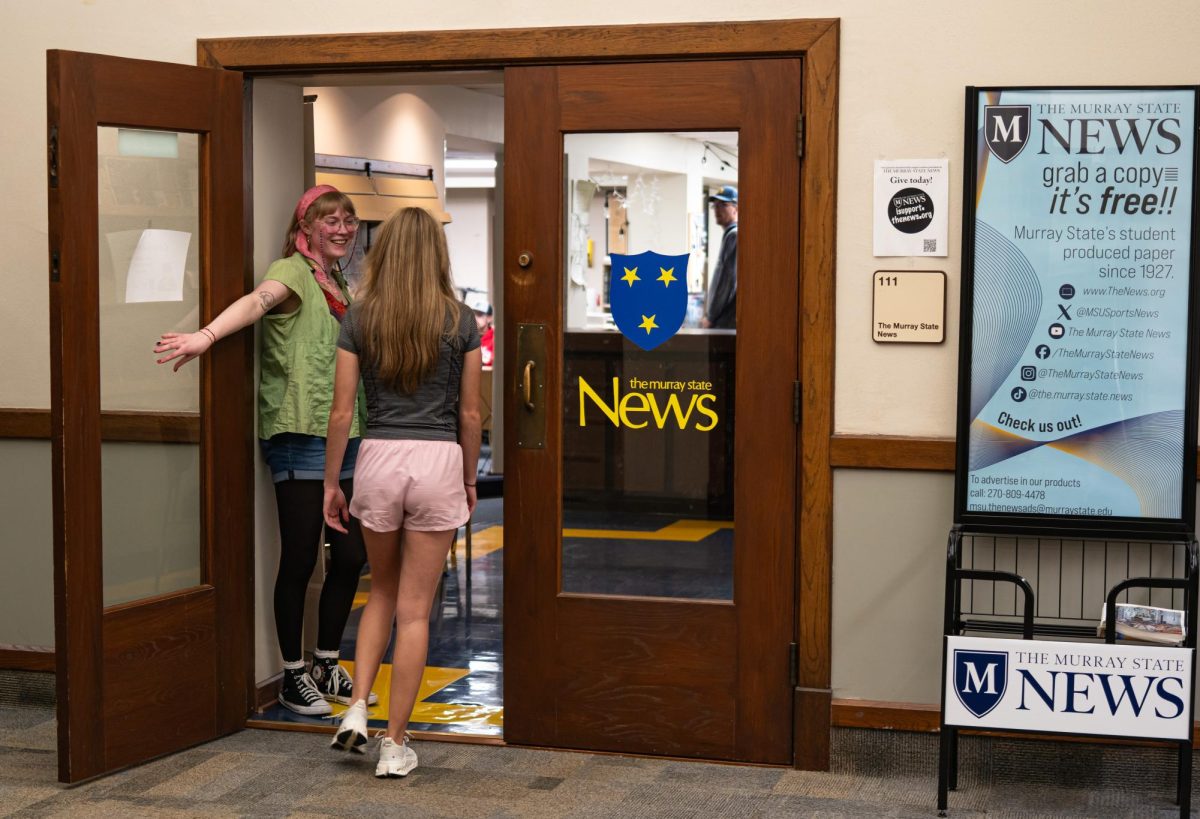
Student newspapers, like this one, are led by, operated by and published for students. They’re a perfect way for students to get hands-on experience in journalism. The skills that go beyond the scope of the classroom are taught in student newsrooms.
I’m not a journalism student — I’m at Murray State to study computer science. I ended up at The News in fall 2025 because I have a friend who works here, and I chose to tag along one time on a whim. I’ve never taken a journalism class in my life, but I’m able to hold my own in my position here with the skills I’ve picked up along the way. My story exemplifies why student journalism is so important for actual journalism students: what you learn on the job is an incredibly effective teaching tool.
Journalism is the first line of defense against misinformation, but can also be its soldier. People trust the news, and misinformation is especially dangerous when disguised as informational coverage. While not much can be done about purposeful satire content besides recognizing the difference between it and actual informative coverage, there’s a real problem of misleading news from misguided journalists. Being able to quickly catch their mistakes and accidental misinformation is a skill you learn with experience.
Student journalism raises the reporters of the future. With the ever-changing state of the world, accurately disseminating information will be more important each passing day. What might not be important now could be a major world event someday, and skilled journalists are going to be the reason the world knows about it. But to get those skills, they need experience — it’s everything. I urge you to continue to support us and other student news organizations, because these small newsrooms are the foundations of an informed world.