









































































After the state legislature introduced a new bill challenging faculty tenure positions, Murray State professors demand an end to attacks against tenure.
On Jan. 27, Kentucky legislators introduced House Bill 490, which allows university administrators to establish a process to remove faculty members for financial reasons, regardless of the faculty’s status.
Shortly after the bill’s introduction, the United Campus Workers of Kentucky sent a demand letter to the bill’s sponsors, Rep. Aaron Thompson and Rep. James Tipton, protesting the bill and what they call an attack against faculty tenure.
“Further weakening faculty tenure undermines the core mission of our public universities,” UCWKY’s press release read. “When faculty can be removed for shifting financial reasons, academic freedom is chilled, shared governance is sidelined and decisions about education are driven by cost-cutting rather than student learning. This approach will only harm student and worker outcomes on campus and lead to the further corporatization of our universities.”
The bill, leaving the House Postsecondary Education committee, and heading to the house floor, allows for the removal of faculty for “bona fide financial reasons.” Among the reasons listed for removing faculty is low enrollment in particular programs or majors. If passed, the proposed legislation stipulates an effective date no later than July 1.
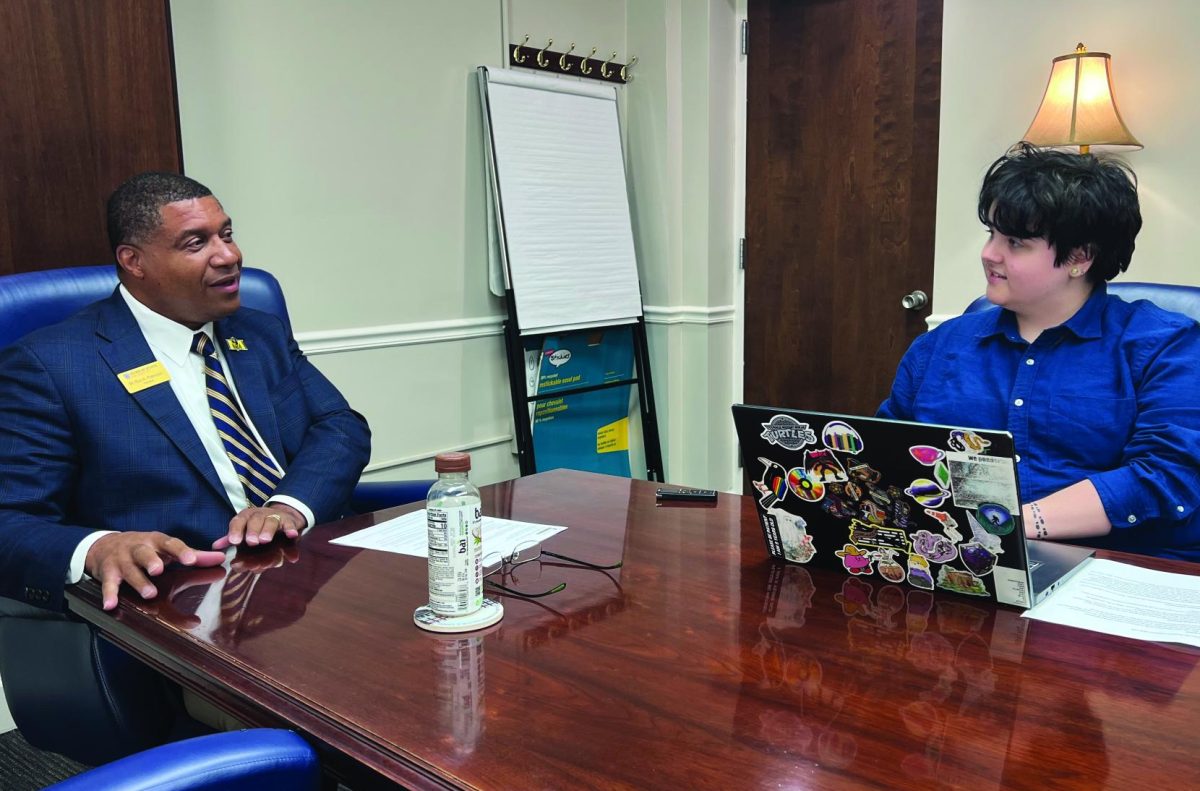
In an interview with The News, one UCWKY spokesperson said this new avenue for removing faculty is damaging in an environment already seeing attacks against higher education. The spokesperson said this is only one in a long line of bills attacking higher education, but could open the door to more ideological attacks on professors and other faculty.
“The way it’s written, it’s about financial reasons. But if you look at the implications of it, it can have far-reaching effects,” the spokesperson said.
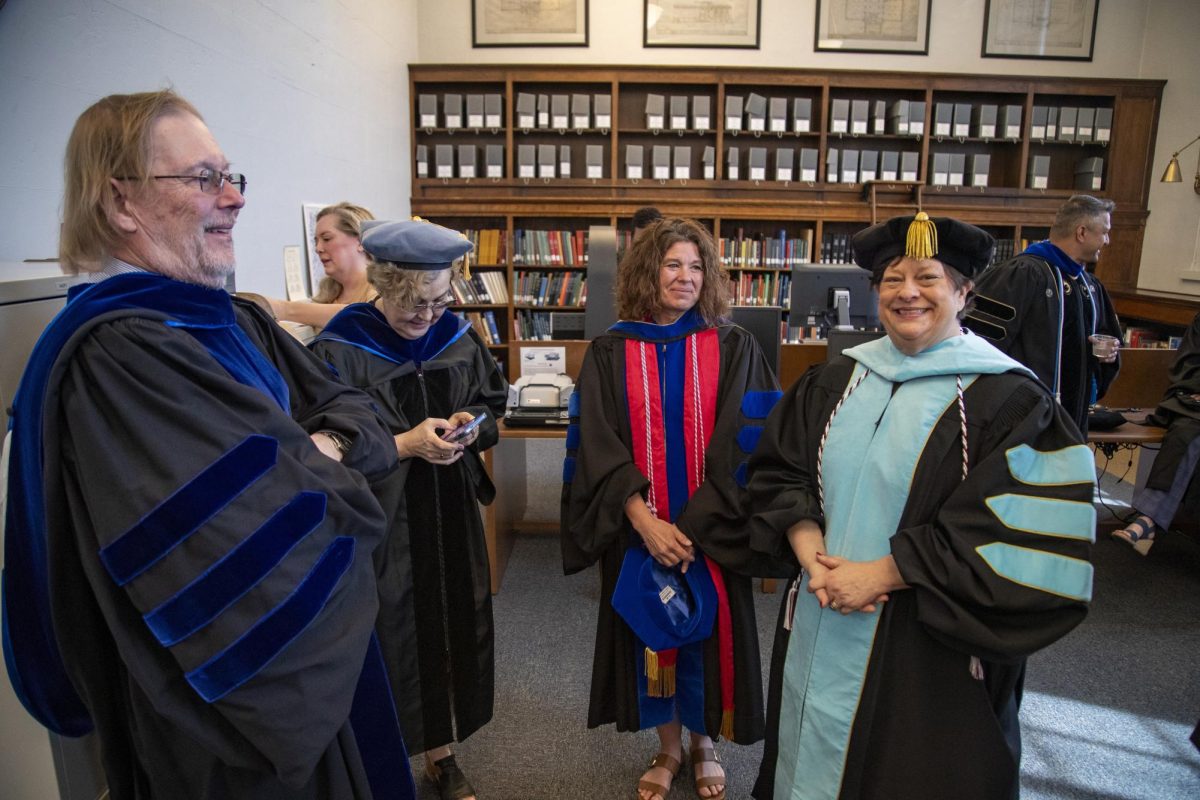
Michelle Panchuck, an associate professor of philosophy and member of UCWKY, said this bill is damaging for tenured faculty and professors in low-enrolled programs. The bill’s vague language, Panchuck said, stifles academic freedom and endangers faculty studying controversial topics.
“The purpose of tenure and other protections on pre-tenure and non-tenure track faculty are to allow for academic freedom, so that a professor can follow their inquiry wherever it leads,” Panchuck said. “Because all of these terms are quite ambiguous and don’t have clear stipulated legal definitions, this would allow for faculty to be terminated for almost any reason at all. And so that creates an environment where free inquiry can’t really take place.”
Speaking on the effects this bill will have on low-enrolled programs, Panchuck said many academic programs on campus that are relatively small, but have a big impact on students’ critical thinking and may serve as part of the University’s core curriculum. Panchuck programs like humanities and fine arts are small but fundamental for the University.
While there are currently protections for faculty in programs at risk of being closed, such as being moved to other programs, Panchuck said this new bill would allow for the termination of faculty for no reason, and without pursuing other options.
Regarding the UCWKY’s attempts to protest this bill, Panchuck said it’s important to band together collectively to protect our individual rights.
“People should know that even though this bill focuses on faculty, it really does pose a risk to an entire university community,” Panchcuk said. “It’s not just individual faculty who stand to be terminated, which in and of itself I think is bad, but I think that anything that undermines academic freedom undermines education, and anything that undermines education undermines the whole purpose of a university existing.”