










































With the Trump administration continuing its cuts to public education, an important student resource finds itself in danger.
TRiO, a collection of federal programs aimed at assisting students from low-income and disadvantaged backgrounds, has faced funding cuts as the current administration crackdowns on Diversity, Equity and Inclusion policies in education.
Now, Murray State has put an end to the Upward Bound Math and Sciences program amid grant cancelations by the Department of Education. Although the University has appealed the freeze, TRIO officials worry that other programs might also be hit.
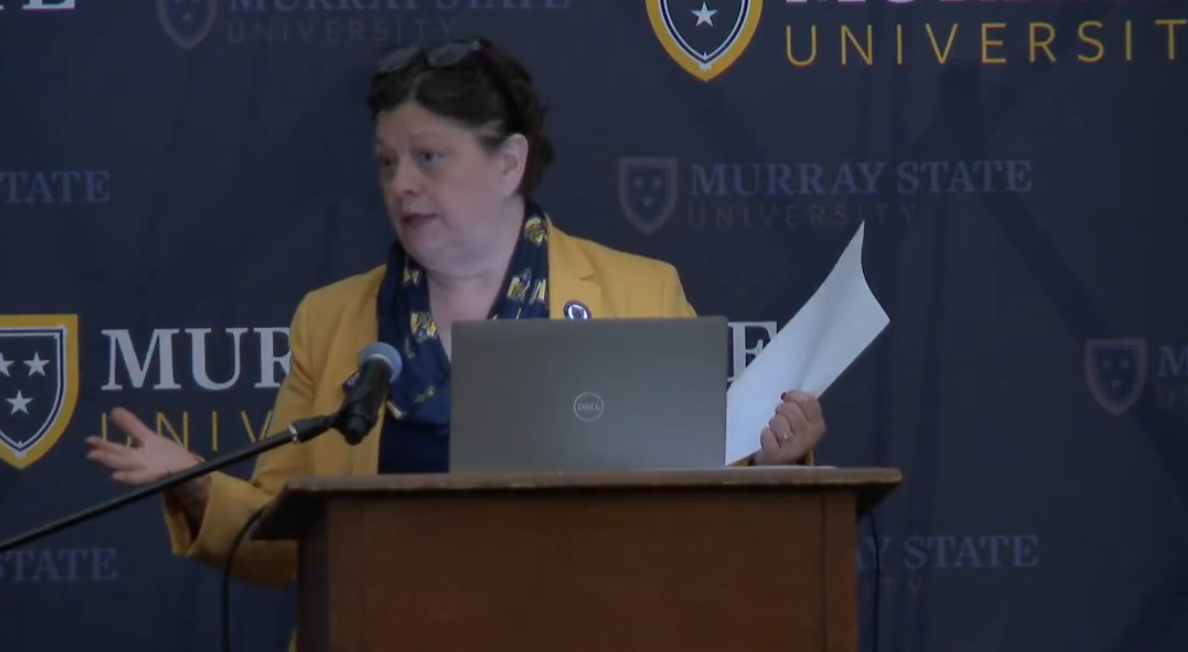
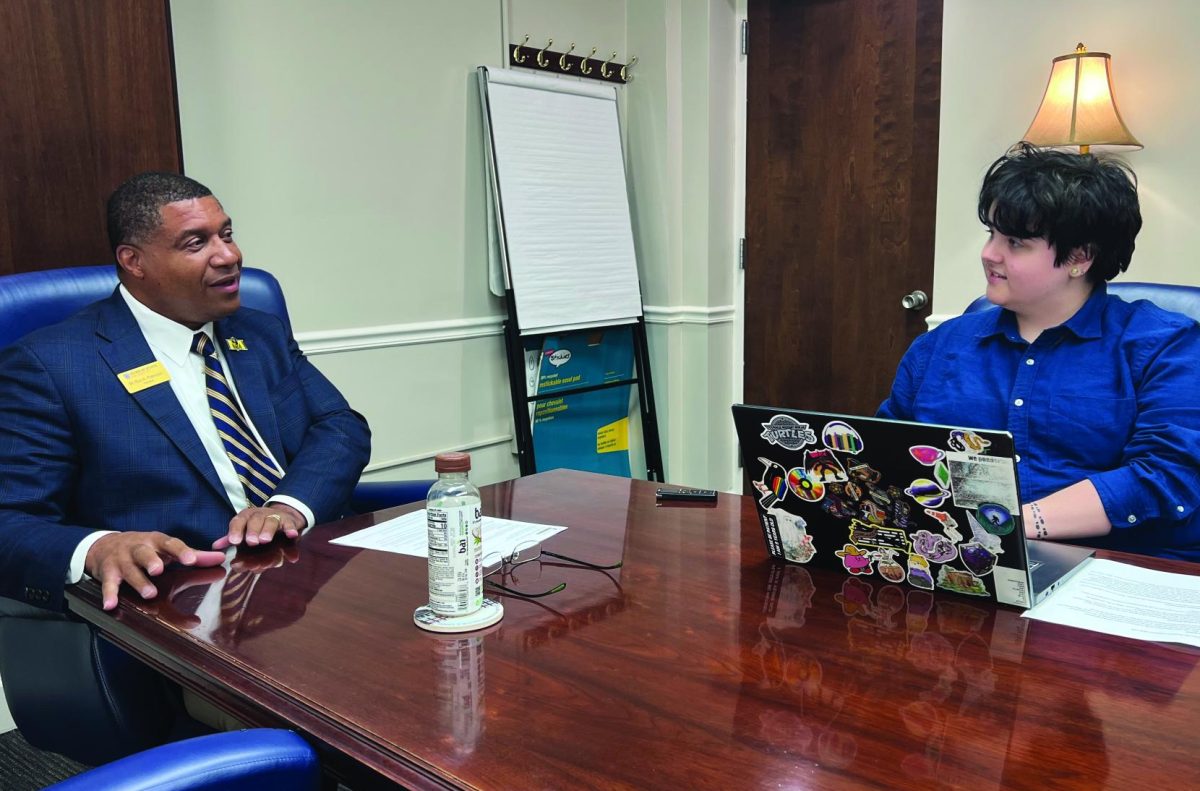
“The Department of Education identified that Upward Bound Math and Science application for funding information indicated the participant’s proposed project activities conflict with the Department’s policy of prioritizing merit, fairness and excellence in education,” said Melissa Cooper, director of TRIO and Student Support Services.
The Upward Bound Math and Sciences Program is one of eight TRIO programs and helps students graduating from high school to prepare for postsecondary education in STEM fields. The program operates through the University and is available to high school students in Western Kentucky and Southern Illinois. It provides tutoring services as well as career coaching, FAFSA assistance and a dozen other student assistance programs.
Cooper said she received a non-continuation letter on Aug. 15 informing her that the program would not receive continued funding due to clashing with administration policies.
Upon hearing the news, Cooper said she felt devastated and concerned for the future of the program’s students. The University appealed the decision, though no resolution has been announced.
TRIO Talent Search Director Audrey Neal said the reason for the non-continuation letter stems from a single line in a support letter included in the programs grant application from the Office of Institutional Diversity, Equity and Access, now the Office of Equal Opportunity.
The letter, which intended to show how the office would assist the program if it received the grant, included a line about providing DEI training to Upward Bound employees.
Neal said this single line was enough to get the grant revoked.
“Out of a 70 page narrative, there’s one sentence that says, provide training to staff on diversity, equity and inclusion,” Neal said. “And that was the statement that they pulled out and said, this is in conflict with the … department’s current priorities.”
While Neal said she understands cutting funding for programs that don’t meet objectives or quotas, she said this administration is only doing it for ideological purposes.
On July 21, Student Support Services, another TRIO program on campus, received $1.6 million in funding from a federal grant to support the program for the next five years. Though Student Support Services has received its grant, the DoE has been late sending out grant award notifications to the other TRIO programs.
Neal said the programs, like SSS, operate on a five year grant cycle. At the end of each year, the Department sends grant award notifications to update the organization on their grant status and the money they will receive for the upcoming year. However this year, no notification has come, and the program is stuck using money left over from last year.
The DoE issued a no-cost extension for one month which allows TRIO programs to continue using money allocated for last year, which is typically supposed to be used in its allotted year. Neal said this was little help to TRIO programs that had used the entirety of their budget as they were supposed to.
Cooper said she was worried that the other TRIO programs which have not got their award notification may also be canceled. Neal echoed this point and said in speaking with her colleagues from other TRIO programs across the country, Neal said there have been an estimated 40 programs canceled nationwide
“Everybody’s just living on pins and needles right now,” Neal said. “It’s a prepare for the worst case scenario, hope for the best. But I think the longer that this drags on, the more convinced we are that it’s going to be a worst case scenario.”
Neal said the programs provide critical help for students who are most in need, including first-generation students and students from low-income families. Without federal funding, students may not have access to free tutoring, personal and academic mentoring, scholarship help, and all the other services TRIO provides.
Cooper said she had seen these programs work for many students in the region and that losing them would be a big loss. She said if the programs were to come to an end, the University would have to find some other way to give these students the assistance they need.
“We have students in most of the schools in the 18 Area Service Region, and those students would not have referrals, connections, workshops for skills, summer programs that enhance their ACT scores, the social aspect of getting to know other people, just so many resources,” Cooper said.
Cooper said she hopes to get an update on the grant funding for the other TRIO programs in the next few weeks. As for the appeal, Cooper said all we can do is wait for the Department of Education to make its decision.