




































The First Amendment has been called into question after people have lost their jobs and talk show host Jimmy Kimmel was momentarily suspended from broadcast for speaking about Charlie Kirk’s death.
Now, there is fear for free speech in the United States.
As reported by NPR, much of the comments people have made publicly were celebrating Kirk’s death and acting as critics. But the Associated Press reports the suspension from ABC came from Kimmel’s criticism of not Kirk — but of the killer and former MAGA supporter, Tyler Robinson, and the MAGA reaction following after.
“Kimmel’s suspension came after an angry reaction to comments he made in monologues early last week,” AP wrote. “A relentless Trump critic in his comedy, Kimmel suggested that many Trump supporters were trying to capitalize on Kirk’s death and were ‘desperately trying to characterize this kid who murdered Charlie Kirk as anything other than one of them.’”
Since then, there has been dissent in the Republican party, namely from Sen. Ted Cruz, R-Texas.
“Ted Cruz has accused the head of America’s broadcast regulator of acting like ‘a mafioso’ in the suspension of late-night host Jimmy Kimmel — the sharpest attack yet from a conservative Republican on the controversy,” BBC wrote. “He said Federal Communications Commission chairman Brendan Carr’s threat to ABC over their comedian’s monologue about slain conservative influencer Charlie Kirk was ‘dangerous as hell.’”
The topic of censorship has come up as well in light of the controversies.
“U.S. Rep. Clay Higgins, R-La., posted on X that he planned to ‘use Congressional authority and every influence with big tech platforms to mandate immediate ban for life of every post or commenter that belittled the assassination,’ in a marked departure from the Republican Party’s stance in the past several years which has equated content moderation with censorship,” NPR wrote.
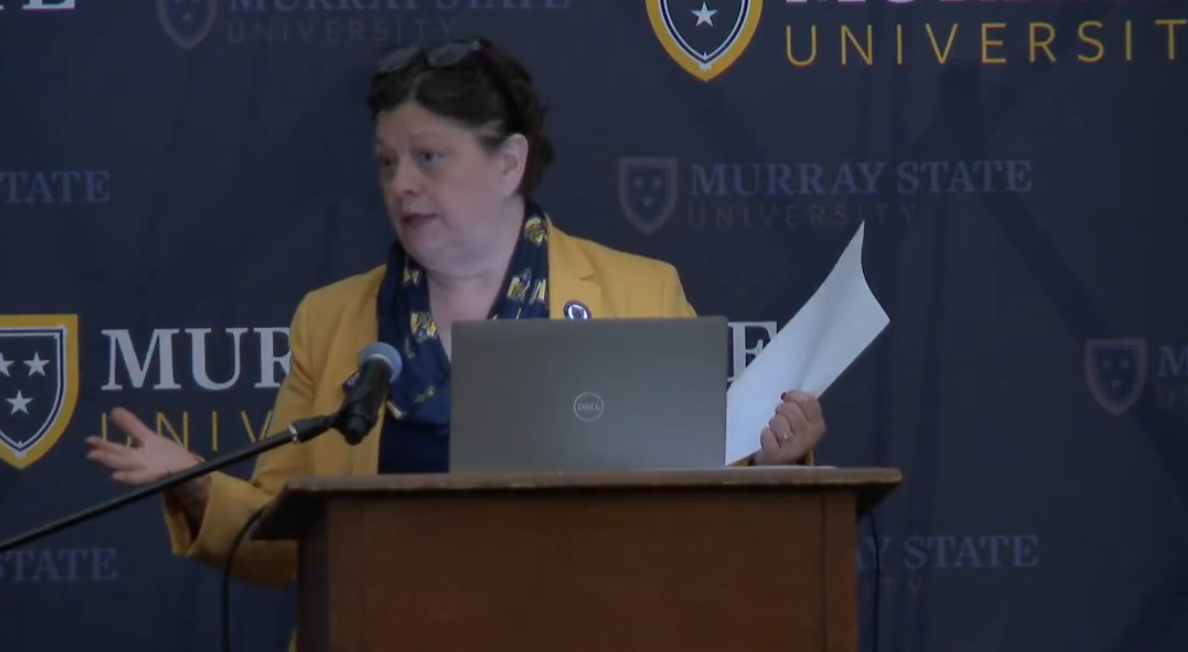
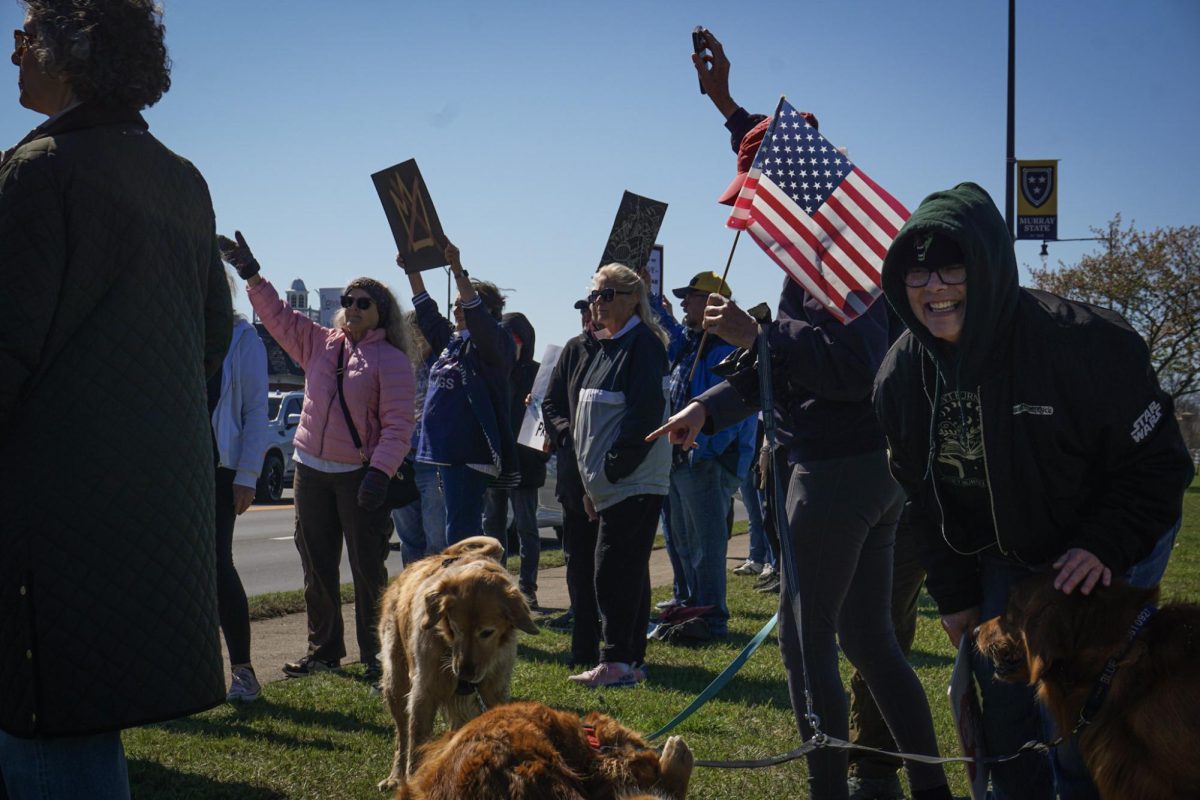
Since these events, questions have been raised for how this will affect the free speech and activism of Murray State University.
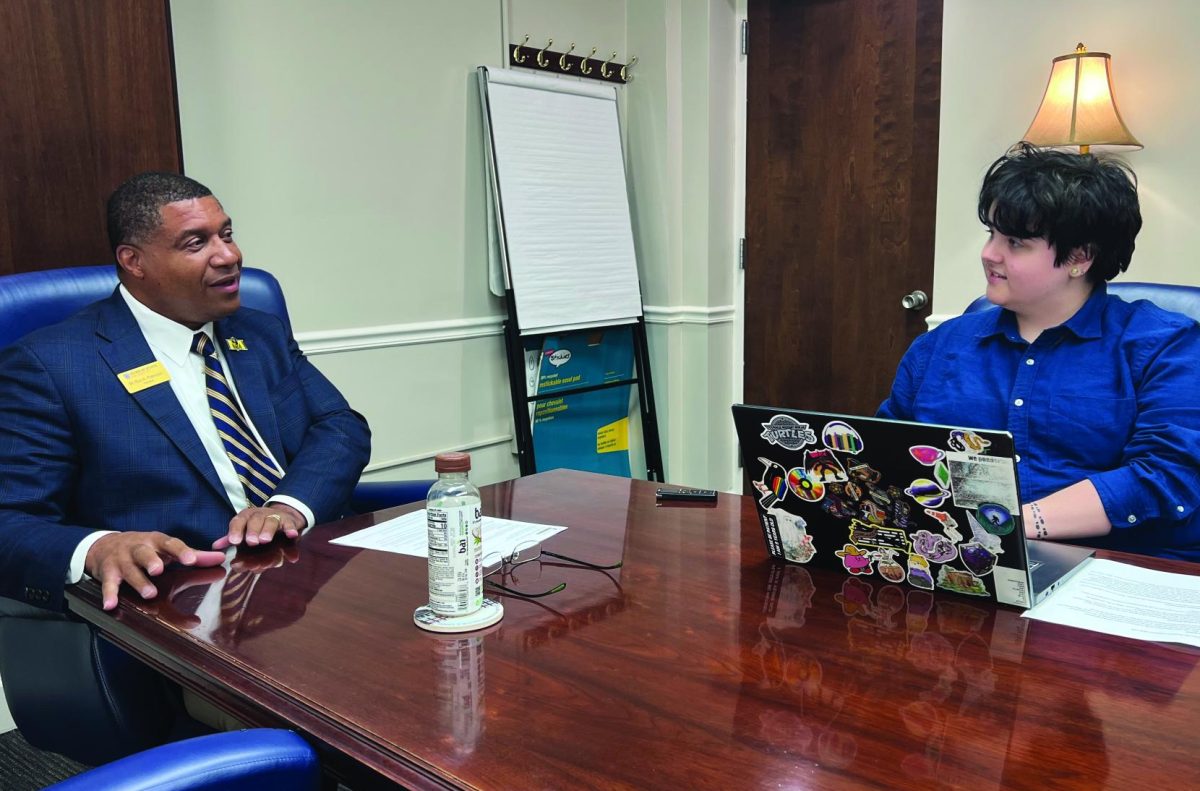
Ali Khatib, Student Government Association president, said free speech at Murray State will be protected and that it is his role to ensure students’ voices are heard and respected. He said activism on campus will not be hindered and no group will be disenfranchised, and this has become part of his “All gas, no brakes” campaign slogan.
“That means maintaining an environment where people feel empowered to speak their minds, while also ensuring that our campus remains inclusive and safe for all students,” Khatib said.
It’s his priority.
“Any activism will not be hindered by the current political climate,” Khatib said. “I believe the best way to uphold the First Amendment here at Murray State is through encouraging open forums, protecting the right of peaceful assembly and working closely with upper administration so that our policies reflect the needs and perspectives of the students.”
Khatib also said he plans on turning these words into action when he represents the students at the Board of Regents.
Ray Horton, an associate professor of English and United Campus Workers member, received an email from the UCW-Southeast Executive Board.
The email describes an “ongoing assault to defund and destroy higher education in the United States and to threaten the livelihoods of all campus workers.”
“The reasons given for these threats have changed over time, but these attacks remain consistently anti-worker,” the UCW-Southeast Executive Board wrote. “University and college campus workers have the right to a private life outside of their jobs. That private life includes the right to share openly on social media, to talk freely at Zoom meetings, to conduct research and produce scholarship appropriate to their disciplines, and to discuss politics with their coworkers and in their communities. When speaking on matters of public concern in their capacity as private citizens, all campus workers at colleges and universities across the country must be able to speak freely, without fear of retaliation from higher education administrators, state legislators, or other politicians.”
Horton said the situation at has to be handled with care and on a case by case basis. He said he’s seen, on one hand, professors saying horrific things, then faculty are getting fired for urging concern for school shootings.
“Or simply reposting Charlie Kirk’s own words — to their own Facebook pages,” Horton said. “While I abhor all political violence and believe many of these insensitive posts exhibit poor judgment and bad taste, I also think it’s important to recognize that one of the legacies of Kirk’s own organization, Turning Point USA, has been to specifically target college professors deemed ideologically ‘dangerous’ or insufficiently patriotic, and we are definitely seeing the fruits of that project in the effort to dig through faculty members’ private social media pages for any potentially objectionable content. One of TPUSA’s most durable legacies is its ‘Professor Watchlist,’ which is sort of like ‘Rate My Professor’ but for reporting faculty thought-crime. Professors listed on that website often report doxxing and targeted harassment.”
There have also been death threats as a result of the site, NBC reports.
“All that is to say that the widespread rash of firings happening all over the country in the aftermath of Charlie Kirk’s murder suggests that this tragedy is being exploited in the interest of a targeted campaign to discredit higher education and reinforce this idea that college is some kind of Weather Underground base camp,” Horton said. “So while there may be — in fact, I feel pretty confident that there are — several clear cases where universities were completely justified in disciplining the faculty members who were fired or put on leave, particularly if their statements explicitly incited or celebrated political violence and especially if such statements occurred in the classroom, none of that changes the fact that universities must abide by their existing protocol for due process, including investigations, hearings and opportunities for appeal.”
The American Association of University Professors released an advisory Horton said is meant to be a guidance “for a climate in which ‘it is becoming increasingly difficult to predict the consequences of our online speech.’”
The advisory is written with “great alarm” to college and university leaders of their “fundamental duty to protect academic freedom and the absolute necessity to ensure that the freedom to discuss topics of public import without constraint is not curtailed under political pressure.”
The advisory also reminds that faculty are entitled to due process in the form of hearings held under long-standing principles before they may be subject to discipline.